- News
- entertainment
- bengali
- movies
- Immersive & experimental: Kolkata takes art out of the box
Trending
Immersive & experimental: Kolkata takes art out of the box
New art spaces in Kolkata are redefining traditional galleries by creating immersive experiences, with unique architectures and evolving curatorial practices. Venues like Experimenter and the Kolkata Centre for Creativity prioritize adaptive designs and artist-driven spaces, fostering deep engagement between the artwork and viewers.
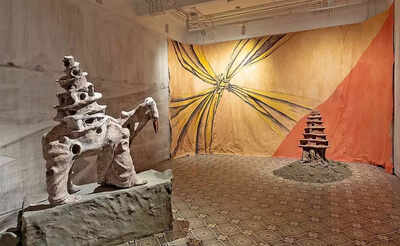
Home to art hub
In 2018, the iconic flatiron building on Hazra Road fell vacant, presenting siblings Varun and Natasha Thapar with the opportunity to repurpose their Ballygunge estate as an art space. In late 2019, 53/2/2 Hazra Road came to life, hosting an outpost exhibition for Experimenter’s 10th anniversary. That spark led to tri Art & Culture’s stature as a contemporary art hub. “A gallery must have a certain character and history for the artist to navigate time and space in a very different way compared to a standard, white cube space. That is our identity,” said Priyanka Raja, director, Experimenter.

Experimenter Ballygunge Place
The Kolkata Centre for Creativity has been hosting some of the most cutting-edge exhibitions on the visual arts, the latest of these being its expansive textiles show.
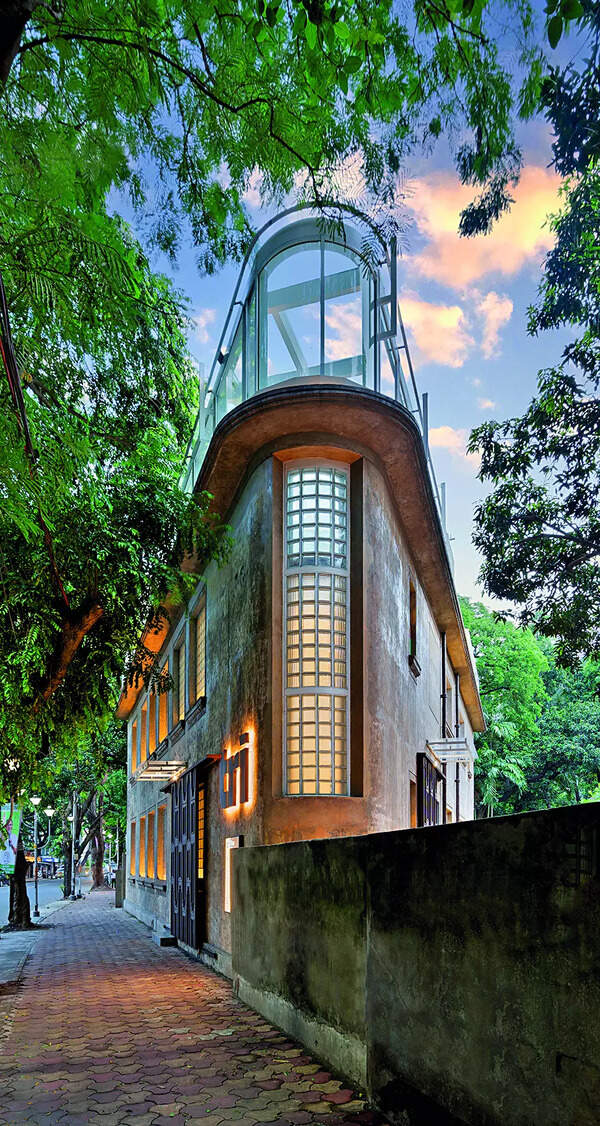
Tri Art and culture
Changing curatorial perspectives
At Experimenter, shows respond to the architecture – the “fundamental fulcrum”, said Priyanka. “Artists who are offered to show at our space also respond to the space – like Praneet Soi and Prabhavathi Meppayil, who created artwork inspired by motifs of the 100-year-old floor,” she added.
“The design of the Kolkata Centre for Creativity plays a crucial role in influencing curation; the adaptable layout ensures every exhibition aligns with the gallery’s aesthetic, while providing a unique experience,” said Richa Agarwal, chairperson, KCC.
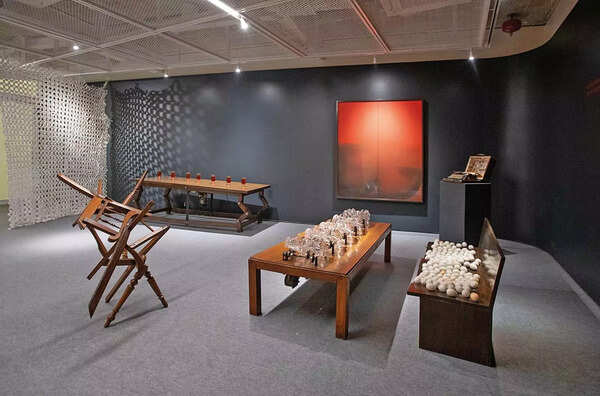
Installation "Home" at Tri
“Our first exhibition was site-specific, created by Prabhakar Pachpute, who worked directly on all our walls. Our walls function as blank canvases, changing colour according to the exhibition designer’s vision,” explained Muskan Kaur Sukarchakia, assistant curator, tri.
Many curators are moving beyond paint. White may be default, but it rarely delivers the immersive experience contemporary exhibitions demand
– Reena Diwan, curator
The Ghare Baire show hosted at the Currency Building witnessed a level of engagement that was very high – events, guided walks, talks. All of these saw extensive participation, outside of a conventional gallery space
– Sujaan Mukherjee, curator
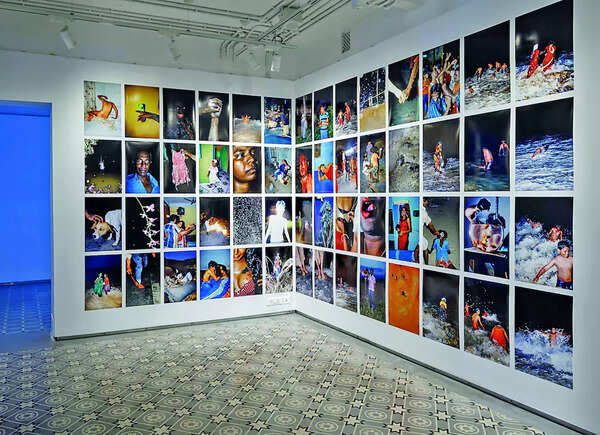
Sohrab Hura'Spill at Experimenter
– Priyanka Raja, director,
Experimenter
End of Article
FOLLOW US ON SOCIAL MEDIA






Photostories
Tired of too many ads?go ad free now
entertainment videos
Featured In Movies

Tired of too many ads?go ad free now
Hot on the Web
Kiara Advani Pregnancy NewsRamadan 2025 DateKing CobraIbuprofen GuideRamadan 2025 WishesRamadan 2025Tanmay BhatRamadan Wishes 2025GovindaSunita AhujaVitamin D FoodsRanveer AllahbadiaSandeep Reddy VangaOptical IllusionGinger Turmeric Tea BenefitsCloves BenefitsUttam MohantyMere Husband Ki Biwi CollectionChhaava Box Office CollectionChhaava Movie ReviewAshwagandha for Hair GrowthChum DarangUnique AnimalsBig Cat Safari DestinationChickpea Curry RecipeSadhguru Diet HabitsSummer GardeningAnimal SpeedstersAnimals for Good LuckUS National Parks
Trending Topics
Latest MoviesBollywood MoviesHollywood MoviesTamil Movies 2024Telugu Movies 2024Malayalam Movies 2024Kannada Movies 2024Marathi Movies 2024Bengali Movies 2024Top Rated Movies 2024Best Hindi MoviesBest English MoviesBest Telugu MoviesBest Tamil MoviesBest Malayalam MoviesBest Kannada MoviesBest Bengali MoviesUpcoming Hindi MoviesBest Movies Of All TimeBest Hindi Movies of All Time
Popular Categories
Latest News
Cops step in, shield Kerala kiln owner from union troubleDak Prescott shares a heartfelt moment with fiancée Sarah Jane Ramos after marking a major milestoneAs its rift with US widens, EU seeks no-limit ties with India3-year-old may have provoked sexual assault, says collector, shunted outRetain interest rate at 8.25% for current FY: EPFO board75-yr-old dies in bee attack on yajnaElimination Chamber Weekend to Kick-off with a WWE Nissin Foods Partnership AnnouncementIs your high-protein diet making you fat?Los Angeles Lakers - Best Defense in NBA: Lebron James Showcases His Versatility in the Changing Landscape of the TeamShark Tank India 4: Aman Gupta questions Jaipur-based baby essentials founders for choosing Vineeta Singh over Ritesh Agarwal; Vineeta jokes, ‘Tum Kyu Phut Daal Rahe Ho?’22 missing after avalanche buries BRO camp in Uttarakhand"Keep him out": Aaron Rodgers’ potential move to the New York Giants sparks a controversial debate'President's team was scared to death': Biden's aide admits administration covering up concerns over his age and healthMika Singh recalls gifting Shah Rukh Khan, Amitabh Bachchan and Gurdas Maan a Rs 50 lakh diamond ring, shares secret moments from Hrithik Roshan's birthday bashTriple H Could Arguably Turn One WWE Legend Heel After a Controversial RAW Appearance on Netflix Debut EpisodeIrrfan Khan's son Babil Khan clarifies his mother Sutapa Sikdar solely built the farmhouse in Maharashtra village 'Hero Chi Wadi': 'These were the dreams Baba couldn't fulfill'Suicide blast kills 5 in Pakistan madrasa known as ‘university of jihad’Govinda's wife Sunita Ahuja shuts down divorce rumours, reveals why they live separately: 'Koi mai ka laal...' | Watch video